One Week in Copenhagen with Kids
One week in Copenhagen with kids works best when the family chooses one main outing each day and protects the rest of the schedule for neighborhood time, meals, and breaks. For this itinerary, Christianshavn is the strongest base: it keeps the harbor and central sights close while placing the family on the M2 Metro line used for Copenhagen Airport.
The main priorities are Experimentarium, Tivoli Gardens, and Reffen. Nyhavn needs only a short visit, a canal tour is useful but optional, and the changing of the guard is not worth building the day around when a young child may struggle to see through the crowd. That ranking leaves room for playground stops, simple dinners at the apartment, and an afternoon that can end early without breaking the trip.
One-Week Copenhagen Family Itinerary at a Glance
| Day | Anchor plan | Area | Why it fits | Easy exit |
|---|---|---|---|---|
| Arrival | Settle into Christianshavn | Christianshavn | No ticket pressure after travel | Dinner and an early night |
| 1 | Amalienborg, Nyhavn, canal tour, and Broens | Central waterfront | One connected harbor route | Skip the guard change or boat |
| 2 | Experimentarium, then optional shopping | Hellerup and central Copenhagen | Indoor science is the main event | Return after Experimentarium |
| 3 | Tivoli Gardens | Central Station area | Enough time without stacking sights | Choose a short ride list |
| 4 | CopenHill and Reffen | Amager and Refshaleøen | Architecture first, food as the payoff | Skip CopenHill if access or weather is poor |
| 5 | Light neighborhood day and packing | Christianshavn | Protects the final evening | Stay near the apartment |
| Departure | M2 Metro to the airport | Christianshavn to CPH | Direct line with no city transfer | Use a taxi if service is disrupted |
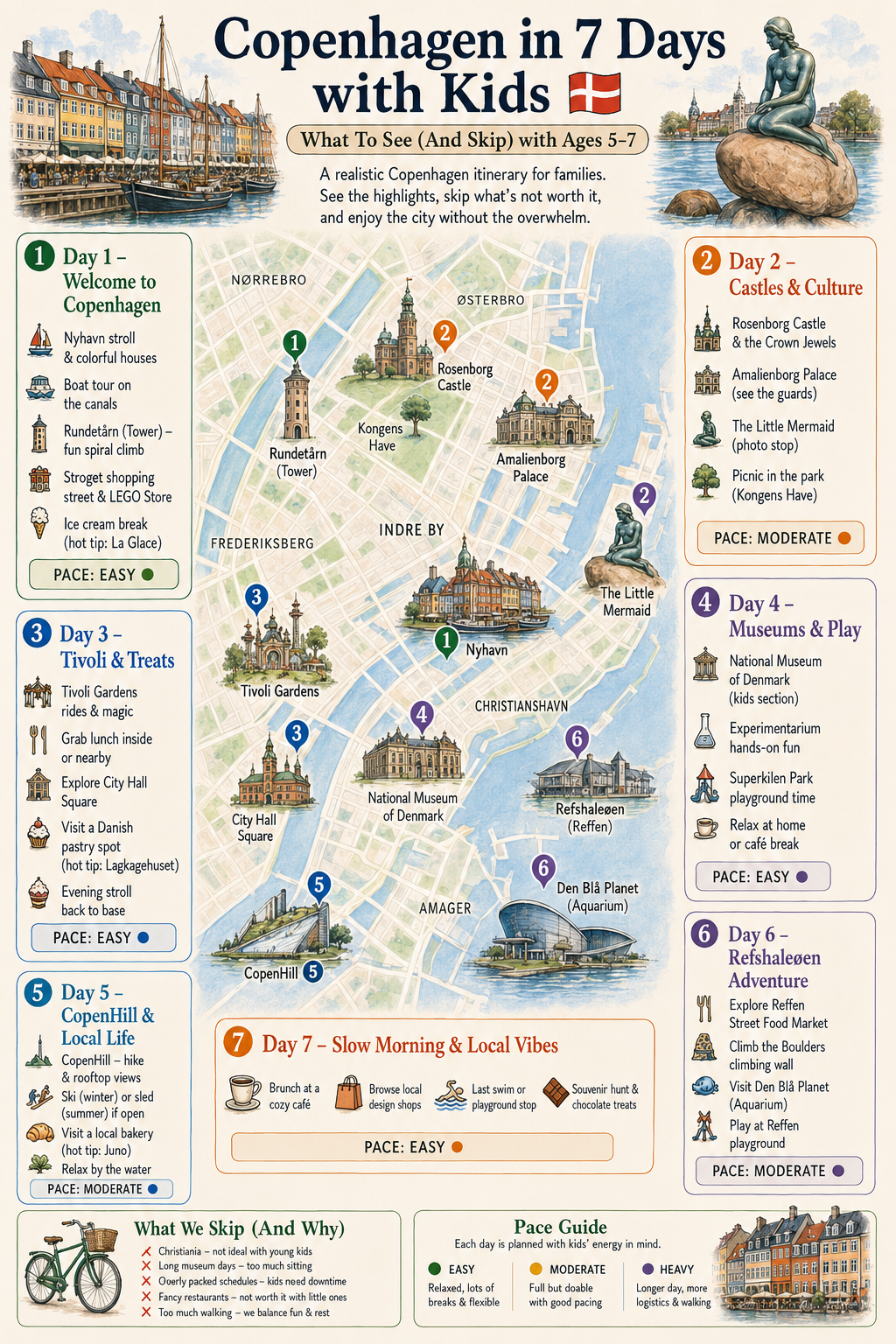
Treat the day numbers as a framework, not a set of fixed reservations. Check Tivoli’s operating calendar first, use Experimentarium on the hottest or wettest day if that helps, and move the outdoor CopenHill and Reffen plan when the harbor forecast looks better.
Why Christianshavn Works as a Family Base
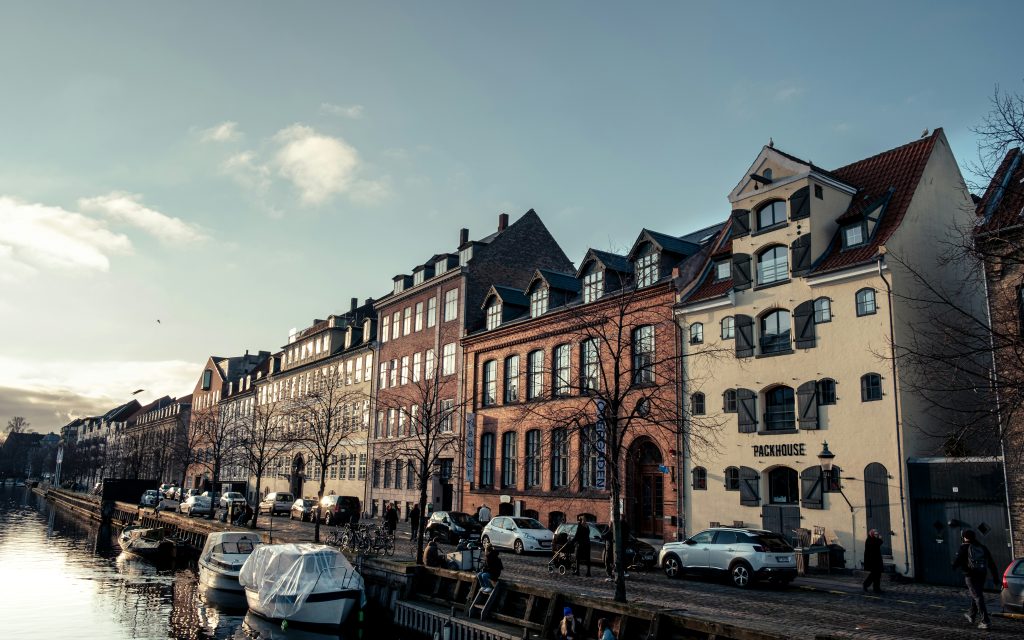
Christianshavn is the practical choice for a family that wants a residential base without giving up central access. The neighborhood’s canals, small streets, harbor edges, and nearby playgrounds make it easy to take a short walk without turning every outing into formal sightseeing. The M1 and M2 Metro lines serve Christianshavn station, and M2 continues to Copenhagen Airport. That matters on an early departure morning, especially with a child and luggage.
The waterfront geography also helps. The Inner Harbour Bridge connects the Christianshavn side with Nyhavn, while Broens Street Food sits near the bridge. This makes a central waterfront loop possible without crossing the city repeatedly. Visit Copenhagen’s Christianshavn guide is useful for understanding how the canals, harbor, Broens, and Refshaleøen relate to one another.
An apartment or aparthotel fits this itinerary better than a room chosen only for its lobby or view. A kitchen or kitchenette makes breakfast and simple dinners easier. Laundry can reduce packing for a week. Families using a stroller or carrying heavy luggage should confirm elevator access in the building and check the walking route from the metro before booking. Copenhagen’s older buildings do not all solve those problems in the same way.
The tradeoff is that Christianshavn is not the best base for every trip. A family focused on Tivoli, Central Station, and repeated day trips by mainline rail may prefer the station side of the center. Travelers who want department stores immediately outside the hotel may prefer Indre By. Christianshavn also requires close supervision around canal edges and at street crossings where bicycle lanes sit between the sidewalk and vehicle lanes.
On arrival evening, keep the plan small. Buy basic groceries, eat near the apartment or cook, and use a playground or short canal walk only if everyone still has energy. A ticketed attraction on arrival day adds risk without improving the week.
Day 1: Central Copenhagen, Nyhavn, and a Canal Tour
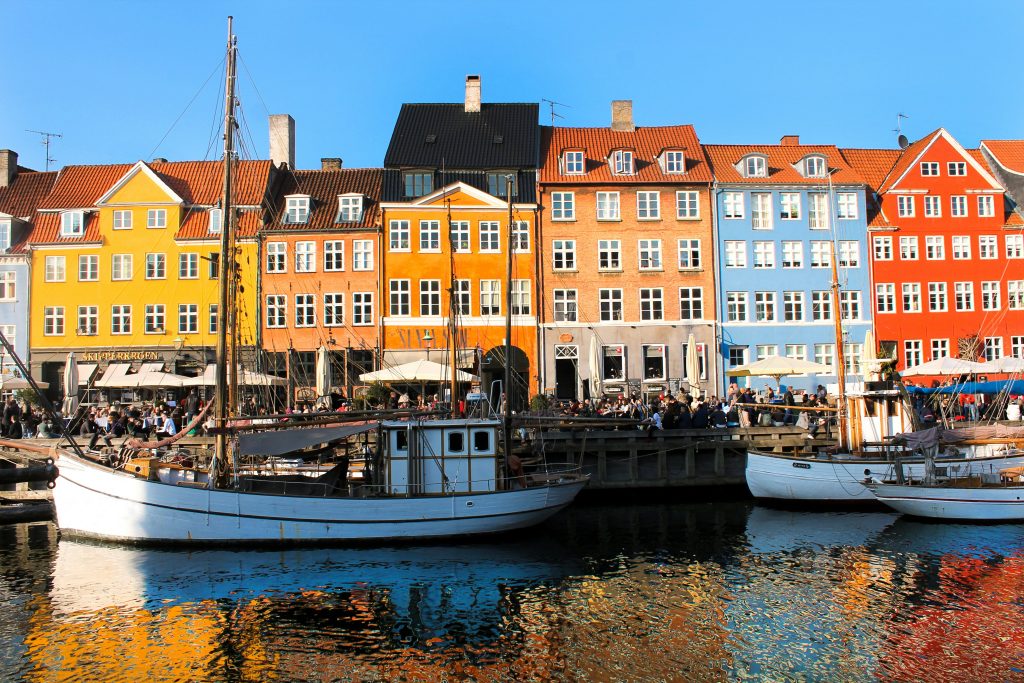
The first full day should follow one connected waterfront route. Begin in Christianshavn, cross toward central Copenhagen, visit Frederik’s Church and Amalienborg, keep Nyhavn short, and decide whether a canal tour adds enough value. Broens works as a flexible meal stop near the bridge rather than a separate destination that requires its own trip.
Cross the Harbor from Christianshavn
The walk from Christianshavn toward Nyhavn gives the family an immediate sense of the harbor without a formal attraction. At the Inner Harbour Bridge, adults should watch for bicycle traffic and keep children out of marked cycle space. Allow flexibility for ordinary walking delays rather than making the rest of the day depend on a minute-by-minute schedule.
Broens Street Food is well positioned for a spontaneous lunch or snack because it sits between Christianshavn and the central waterfront. Its operating season, vendors, and hours can change, so check the official site close to the visit. If it is closed or crowded, nothing else in the day depends on eating there.
Pair Frederik’s Church with Amalienborg
Frederik’s Church and Amalienborg belong in the same part of the walk. The royal residence gives context to the surrounding Frederiksstaden district, but this itinerary does not need a palace interior visit unless the family has a specific interest in royal history.
The Royal House of Denmark explains that the guard changes daily at Amalienborg, with the more elaborate King’s Guard ceremony depending on the King’s residence. The parade for that ceremony reaches the palace square around midday. That does not make it a family priority. Crowds can make the view poor for a small child, waiting compresses the rest of the route, and different guard formats do not offer the same ceremony. Treat it as a bonus if the timing works. Do not hold a tired child in the square simply because the clock says the event is about to begin.
Keep Nyhavn Brief
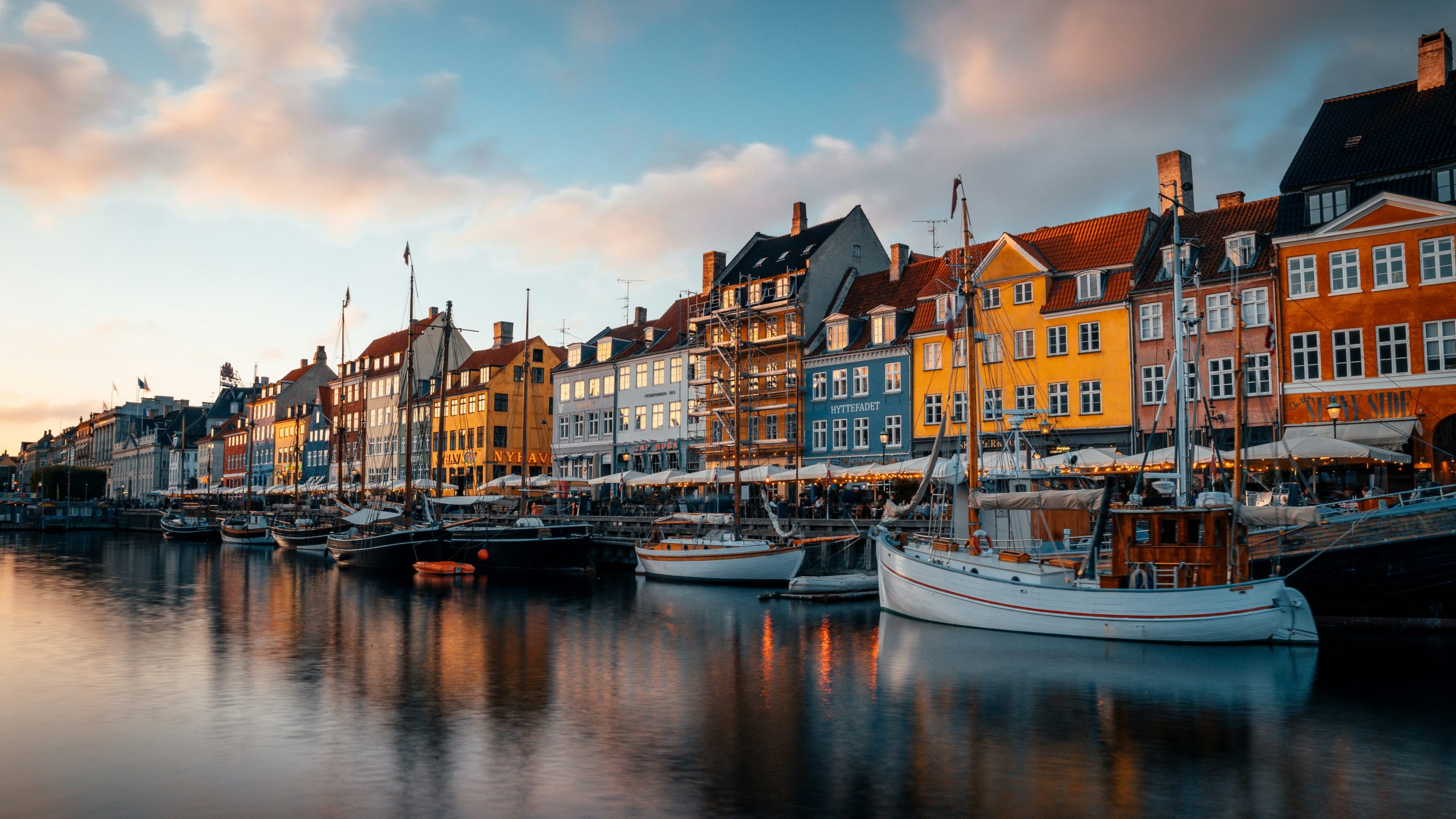
Nyhavn is worth walking through because it connects naturally with Amalienborg, the harbor, and several canal-tour departure points. It does not need half a day. A short look at the historic waterfront, a photo, and perhaps a boat departure are enough before the family moves on.
That limit is important. Nyhavn is one of the places most likely to expand because it is familiar from Copenhagen advertising, yet the family’s better experiences in this itinerary come from Experimentarium, Tivoli, Reffen, and time near the base.
Decide Whether the Canal Tour Is Worth It
A canal tour is useful when the family wants a seated overview after walking. Stromma’s classic route runs for about one hour from Nyhavn or Ved Stranden and passes central harbor sights. It can provide a view toward the Little Mermaid without adding a separate walk to the statue.
The practical limits matter more than the sales pitch. Stromma states that regular tour boats do not have toilets and that strollers, prams, and buggies cannot be brought onboard. A stroller may be left at the departure point at the family’s own risk, and the operator recommends a lock. Boats may be open or covered depending on the season and departure. The tour has no intermediate stops, so a child who becomes uncomfortable cannot simply get off early.
For this itinerary, the canal tour is enjoyable but optional. Take it when the child can sit through the full circuit and the weather works. Skip it when stroller logistics, a bathroom deadline, or fatigue makes the hour feel restrictive.
Day 2: Experimentarium, the LEGO Store, and Danish Design
Experimentarium should control the second full day. The science center is in Hellerup, outside the central sightseeing core, and it deserves several hours rather than a rushed visit between unrelated attractions.
Plan Half a Day at Experimentarium
Experimentarium’s official visitor information places the center about 6 kilometers from central Copenhagen and lists access by train and bus. Use the official journey planner on the morning of the visit because the best connection can change with service work. From Christianshavn, the trip requires a transfer for the usual rail-based route rather than one direct ride, which is another reason not to overload the rest of the day.
The center works well with children because the visit is active and hands-on, not because every family must enjoy science museums. A child who likes experimenting, building, water, motion, or sensory play can stay engaged for several hours. A child who becomes overwhelmed in busy indoor spaces may need an earlier start, a defined break, or a shorter route through selected exhibits.
The Experimentarium FAQ confirms practical details that affect the plan. Strollers are allowed in the building, although they must be parked outside The Miniverse and The Valley. Large lockers are available, re-entry is allowed with a valid same-day ticket, and families may eat their own food in the picnic area. The building also has baby-changing and breastfeeding facilities. Tickets bought online apply to a specified date, so confirm the plan before purchasing.
Those details make Experimentarium a useful bad-weather anchor. They do not justify adding another museum afterward. Plan the science center as the day’s main paid experience, have lunch there or use the picnic area, and decide what follows only after checking the child’s energy.
Add Strøget Only If Energy Holds
The LEGO Store and Illums Bolighus fit together because both are in the central Strøget shopping area. They do not need to be treated as attractions equal to Experimentarium.
The official LEGO Store Copenhagen page should be checked for the current location and hours before the visit. Let the child browse or choose a manageable project, then use building time at the apartment as the natural end of the outing. That turns the purchase into part of the day’s pacing rather than a reason to keep shopping.
Illums Bolighus makes sense for adults interested in Danish furniture, lighting, and household design. It is easy to skip when the child is tired. Returning to Christianshavn for LEGO building, dinner at the apartment, and an early evening is the stronger choice than adding another central monument.
Day 3: Give Tivoli Gardens Its Own Day
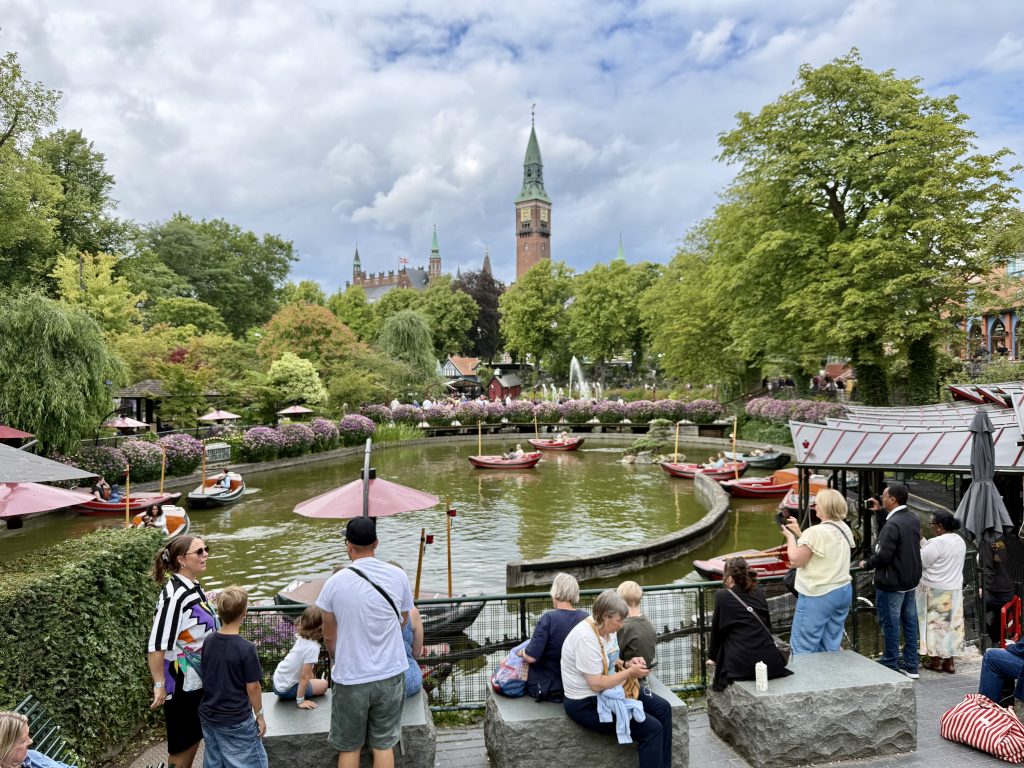
Tivoli Gardens is one of the week’s strongest family priorities, but it should not be paired with several other major sights. Its mix of rides, gardens, food, and performance spaces can fill the family’s available energy without help from another attraction.
Start with the official Tivoli ticket page, then check the operating calendar for the exact date. Admission and ride access are separate concepts, and combined products may not be the best value for a child who can or wants to ride only a few attractions. Tivoli also states that individual rides can have age, height, and health restrictions. Review the current ride list before buying a ride product.
A simple pre-visit plan prevents two common problems. First, measure the child accurately and identify a short list of eligible rides. Second, decide whether the adults intend to ride with the child, because accompanied and unaccompanied requirements can differ. The goal is not to complete the park. It is to choose enough rides and breaks that the child remains comfortable.
Tivoli sits next to Copenhagen Central Station, so it is straightforward to reach by public transportation from Christianshavn with a central connection. Check the live route rather than relying on a fixed instruction. Enter at the time that matches the child’s best energy and any dated event the family actually wants to see. A morning or early-afternoon start can be easier than promising a late evening from the outset.
Inside, use one meal as a real break. Check restrooms before joining a long queue, carry a layer for cooler evening air, and set a departure threshold before overtiredness makes the metro trip home harder. Families with a stroller should use the current park map and staff guidance for parking near individual rides. Travelers with mobility needs should check each ride separately because access varies.
Tivoli is worth prioritizing even if the family leaves before evening entertainment and rides only a small selection. The weaker plan is to add a morning museum, rush into Tivoli, and stay late because the ticket felt expensive. Give the park its own day, then leave when the experience stops being enjoyable.
Day 4: CopenHill and Reffen Without the Skiing

CopenHill and Reffen can share a day because both sit east of the central harbor, but they do not carry equal weight. CopenHill is the architectural stop. Reffen is the stronger place to spend time and eat.
Visit CopenHill for the Building and Rooftop
CopenHill places recreational space on top of a waste-to-energy facility. That concept is the reason to visit. The official CopenHill site says visitors can use the rooftop, walking route, and elevator without paying during public opening hours. Skiing is a separate bookable activity.
The rooftop is conditional, not guaranteed. CopenHill’s opening page warns that access can change for events, private bookings, or work at the plant. Check the page on the day of the visit. Wind, rain, or low visibility can also remove much of the payoff even when the site is technically open.
For a family itinerary, the elevator and a short rooftop visit make more sense than skiing. Skiing adds equipment, instruction or skill requirements, cost, and a longer commitment. Choose it only when the artificial slope itself is a central trip goal. Otherwise, see the building, go up if conditions work, and save the family’s time for Reffen.
Make Reffen the Main Payoff
Reffen is the food anchor for this day. Its collection of stalls and shared seating gives a family more choice than a single restaurant reservation, and the industrial waterfront setting makes it feel different from Broens. The two food halls should not be treated as duplicates: Broens works as a central-route stop, while Reffen justifies time within the Refshaleøen outing.
Reffen’s practical information lists current opening periods, transport, payment, accessibility, buggy guidance, and facilities. Check it close to the visit because the venue is seasonal and operating days can shift. Outdoor seating brings weather exposure, while busy periods can make table finding difficult. Arrive with enough time to look at several stalls, but do not promise a specific vendor until the current lineup is confirmed.
Check the walking route between CopenHill and Reffen in a live planner before setting out. The distance may be reasonable for adults but too much after a rooftop visit with a young child. Use a bus or taxi when the weather, stroller, or energy level makes the walk a poor trade.
After Reffen, return to Christianshavn for a quiet afternoon. A movie, rest, or work break belongs in the itinerary. Takeaway and playground time can fill the evening if the family wants more, but neither needs to become another scheduled stop.
Day 5: Keep the Final Day Close to Christianshavn
Do not use the final full day to compensate for every attraction the itinerary left out. A canal walk, a neighborhood playground, waterfront time, packing, and a relaxed meal are enough.
This light day protects the departure morning and gives the family a place to move an earlier plan if weather caused a cancellation. If Experimentarium or Tivoli had to shift, use the day for that one missed priority. Otherwise, stay near the apartment, finish groceries, do laundry, and pack before dinner.
The day should not quietly acquire a beach trip, harbor swim, Traffic Playground visit, bicycle rental, Torvehallerne, aquarium, or Round Tower. Those may suit another Copenhagen itinerary, but adding them here would replace the plan’s main strength: one base, controlled pacing, and no pressure to collect every famous sight.
In poor weather, keep the schedule even smaller. Use the apartment, choose one nearby meal, and take a short walk only when conditions improve. A final day that feels uneventful on paper can be the reason the week remains manageable in practice.
Departure: Christianshavn to Copenhagen Airport
Christianshavn’s clearest logistical advantage appears on departure morning. M2 serves Christianshavn and continues to Copenhagen Airport, so the family can travel on one line without crossing central Copenhagen with luggage.
The Copenhagen Metro states that service runs every day and night. Copenhagen Airport says nighttime trains are less frequent than daytime service and that the metro station connects directly with Terminal 3. Check the airport’s metro information, the live departure board, and planned service changes the night before travel.
Buy the correct ticket before boarding. City Pass Small covers central Copenhagen and the airport in zones 1 through 4, but a multi-day pass is not automatically cheaper for this itinerary. Compare it with the family’s actual number of rides and current child rules rather than assuming unlimited travel is the best deal.
Build extra time for the walk to the station, elevator use, the child’s pace, and airport check-in. A taxi is the reasonable fallback when the metro has planned work, luggage is difficult to manage, or a mobility need makes the station route unreliable. Check a current quote instead of using a fixed fare from an old guide.
Family Logistics That Change the Week
The week does not require the same booking strategy for every stop. Use this as a decision aid, then verify the current operating information for the actual dates.
| Experience | Check in advance | Keep flexible | Main family friction |
|---|---|---|---|
| Tivoli Gardens | Opening date, admission, ride rules, and events | Arrival and departure time | Height limits, queues, and late-day fatigue |
| Experimentarium | Ticket date, current hours, and transport | Length of visit and optional shopping | Busy indoor spaces and transfer time |
| Canal tour | Departure, boat type, and availability | Whether to take it at all | No stroller onboard, no toilet, and no early exit |
| CopenHill | Same-day rooftop and elevator access | Short rooftop stop | Weather exposure and event closures |
| Reffen and Broens | Season, operating day, and current facilities | Meal time and vendor choice | Outdoor seating, crowds, and changing vendors |
Public Transportation
Copenhagen does not require a car for this itinerary. Metro, train, and bus connections cover the relevant areas, while the central waterfront is walkable. Use Public Transport Denmark and the official journey planner for live routes, ticket coverage, and service changes.
Do not buy a pass only because the trip lasts a week. City Pass products run for defined periods, and this schedule includes days with relatively little transit. Compare the current pass with individual tickets after listing the journeys the family expects to take. Confirm child fares and whether every traveler needs a separate mobile ticket setup.
On buses, space shared by strollers, wheelchairs, and bicycles can be limited. On rail and metro, elevators may be temporarily unavailable. Check station accessibility when step-free access is essential, especially on the Experimentarium and airport days.
Walking, Canals, and Bicycle Lanes
Copenhagen’s compact center still involves bridges, curb transitions, cobblestones, and bicycle lanes that may sit where an American visitor expects only a sidewalk or road. Adults should pause at each cycle lane, look in both directions, and wait before stepping toward the vehicle lanes. Keep a young child beside an adult near canal edges rather than allowing a free run along the water.
A stroller helps with distance but creates friction on the canal-tour day because regular boats do not accept it onboard. Decide before leaving the apartment whether the family is comfortable parking it at the operator’s departure point.
Food, Breaks, and Apartment Time
Broens and Reffen serve different planning roles. Broens is an optional meal on the central harbor route. Reffen is the main reason to linger during the Refshaleøen day. Both are current businesses with seasonal or changeable operations, so verify opening information and vendor availability.
Apartment meals reduce cost and decision fatigue. They also let a child stop performing as a tourist for a few hours. Breakfast at home, one paid food experience, and a simple dinner can be a better day than three restaurant reservations.
Playgrounds work the same way. Use one near the base when the child needs unstructured movement. Do not turn playgrounds into another list that the family must complete.
Weather, Mobility, and Booking
Harbor weather can change how CopenHill, Reffen, the canal tour, and long waterfront walks feel. Carry rain protection and a light layer, but avoid promising that a particular month will be dry or cool. Use the current forecast and move the most exposed day when needed.
Tivoli and Experimentarium deserve the earliest date checks. The canal tour may also justify advance booking on a busy day, but its stroller and toilet limitations should be resolved first. CopenHill, Reffen, Broens, and neighborhood walks need same-day operating checks more than a rigid reservation.
For mobility planning, verify the exact station, entrance, boat, attraction, and rooftop route. General labels such as accessible or family-friendly do not establish that every part of the visit works for a specific traveler.
What to Skip or Deprioritize in Copenhagen with Kids
When the schedule expands, protect Tivoli, Experimentarium, Reffen, and the neighborhood time first. Remove these lower-priority items before cutting the trip’s main anchors:
- Changing of the guard: Treat it as a bonus if the family reaches Amalienborg at the right time and can see comfortably. Do not wait through a crowd for a poor view.
- A long Nyhavn stop: Walk through, take a photo, or board a boat. The waterfront does not need half a day.
- The canal tour as a requirement: It is a convenient seated overview, not the trip’s defining experience. Skip it when the stroller, bathroom, or weather tradeoff is wrong.
- Skiing at CopenHill: The building and rooftop explain the site. Ski only when the artificial slope is a specific family goal.
- Extra headline attractions: Do not add the aquarium, Round Tower, Torvehallerne, Traffic Playground, bike rental, a beach, or harbor swimming simply to make the itinerary look fuller.
Skipping is not a failure to use the week. It is what allows the family to use the chosen experiences well.