Dolomites Summer Itinerary with Kids: 7 Days Based in Val di Fassa
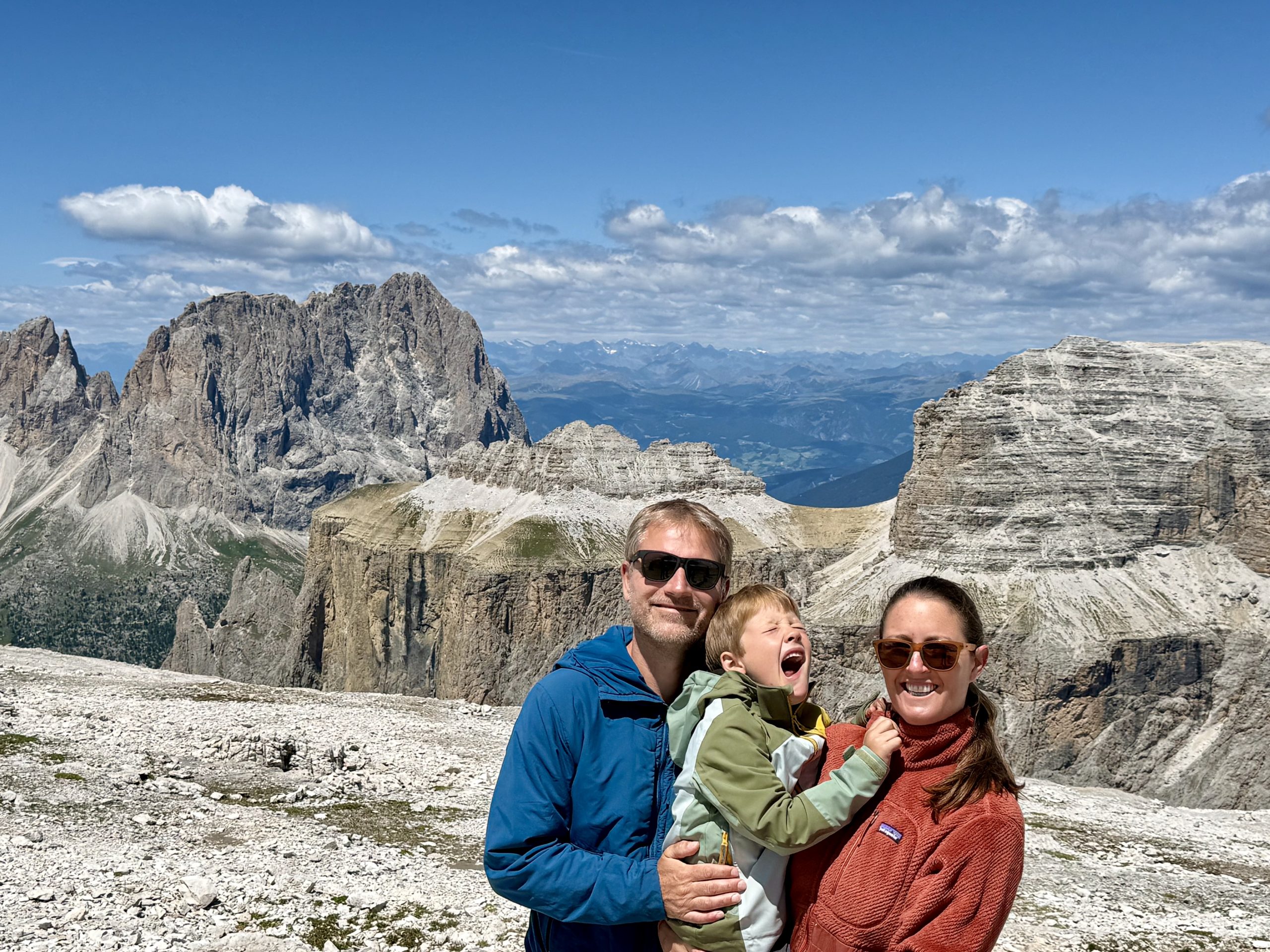
A practical Dolomites itinerary with kids works best when most days stay close to one base and every mountain day can be shortened. For a seven-day summer trip based in Val di Fassa, the strongest plan uses the valley’s lifts for five local days, protects one recovery day, and treats Seceda as the only optional long drive.
This is not a route for collecting Lago di Braies, Tre Cime di Lavaredo, and Cortina from one hotel. Those sights sit in the eastern Dolomites and are better paired with a second base near Cortina, Dobbiaco, or Misurina. Keeping this week centered on Val di Fassa produces less time in the car, more weather flexibility, and a more realistic pace for children roughly ages 5 to 7.
The 7-Day Dolomites Itinerary with Kids at a Glance
| Day | Plan | Why it fits | Easy exit |
|---|---|---|---|
| 1 | Arrive in Val di Fassa and take one local lift | Low-pressure orientation | Skip the lift if arrival runs late |
| 2 | Ciampedie from Vigo di Fassa | High-mountain setting without a long transfer | Return after lunch |
| 3 | Alpe Lusia from Ronchi near Moena | Different side of the valley and flexible lift access | Use only the first lift section |
| 4 | Recovery day in the valley | Protects the second half of the week | Playground, pool, or short riverside walk |
| 5 | Carezza and the Catinaccio area | Shorter driving and a change from lift-only days | Choose the lake or a lift, not both |
| 6 | Passo Pordoi and the Canazei side | High-altitude option close to the base | Stay at the pass if the summit lift is unsuitable |
| 7 | Seceda as an optional long day, or repeat the best local area | One major out-of-valley outing without overloading the week | Replace it with Buffaure or Ciampac |
The days should not be treated as fixed reservations. Mountain weather should control their order. Use the clearest forecast for Seceda or Passo Pordoi, move the recovery day when the weather closes in, and avoid buying nonrefundable extras until the forecast is useful.
Why Val di Fassa Works as a Family Base
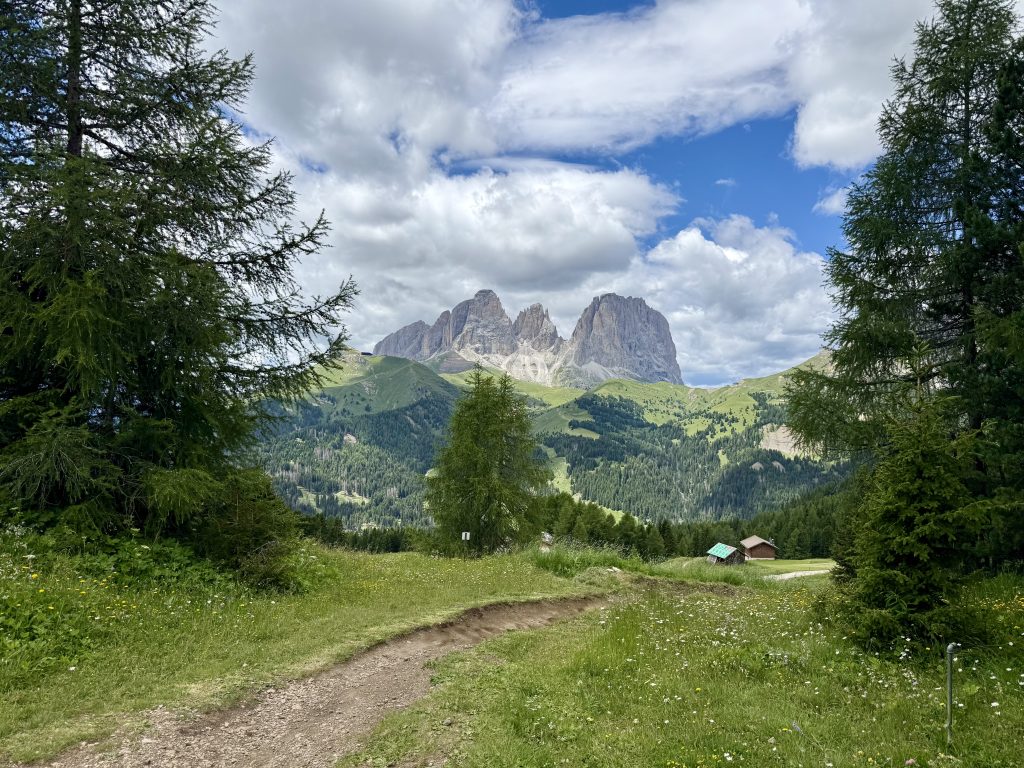
Val di Fassa is a long valley rather than one compact resort. The best village depends on which inconvenience a family wants to minimize.
- Canazei or Campitello: Best for the Sella and Passo Pordoi side, with quick access to lifts around Belvedere and Col Rodella. These villages are busier and can add driving time to Moena and Carezza.
- Pozza di Fassa: The most balanced central choice for a one-base week. Buffaure starts here, and both the northern and southern parts of the valley remain workable.
- Vigo di Fassa: Best for direct access to Ciampedie and the Catinaccio side.
- Moena: Best for Alpe Lusia and easier arrivals from the south, but less convenient for Passo Pordoi.
Families should choose accommodation with parking and confirm whether a guest card includes local buses during their stay. A kitchen or at least a refrigerator also matters on early-start days. The valley has supermarkets and pharmacies, but opening patterns should be checked rather than assumed, especially on Sundays and holidays.
A car makes this itinerary easier, but it does not need to move every day. Local buses and lift connections can reduce parking stress within the valley. The longer Seceda option is much easier by car, while the local days can often begin from the nearest village or a short bus ride.
Which Summer Lift Pass Makes Sense
The original plan depended too heavily on the broad Dolomiti Supersummer product. For a week that now stays mostly in Val di Fassa, the local Panorama Pass is the more relevant comparison.
The Panorama Pass covers a defined group of Val di Fassa lifts and is sold in several day combinations. The wider Dolomiti Supersummer pass can make sense for travelers using lifts across several Dolomites regions, but it does not cover the main Ortisei to Seceda lift chain. Seceda therefore needs separate budgeting even when a family buys the regional pass.
Do not assume either pass is automatically cheaper. Before buying:
- Mark the lift-dependent days the family is actually likely to use.
- Compare the current family price for those individual rides with the applicable pass.
- Check age rules and identification requirements.
- Confirm that each intended lift is operating on the travel dates.
- Keep at least one weather day free before committing to the maximum number of lift days.
For 2026, Val di Fassa lists the Panorama Pass as valid on 31 lifts, with flexible products including three days out of six and seven days out of thirteen. These products, dates, prices, and lift lists are time-sensitive and must be rechecked on the official page shortly before publication and again before travel.
Days 1 to 3: Start Locally
Day 1: Arrival and One Short Lift Ride
Arrival day should answer only two questions: where is the nearest grocery stop, and which lift can be used without creating a rushed return?
From Pozza di Fassa, Buffaure is a practical first option. From Vigo, Ciampedie may be closer. Families staying near Canazei can choose a lift on that side instead. Use the operator’s live opening information, because last descent times and weather holds matter more than the name of the lift.
Plan no required hike. A ride up, a short look around, and a snack are enough. If check-in runs late or a child dislikes the gondola, skip it. Nothing important breaks.
Day 2: Ciampedie and the Catinaccio
The Vigo to Ciampedie cable car and connected summer lifts provide a high-mountain day without leaving Val di Fassa. This is a better early-week anchor than driving immediately to Val Gardena.
Choose a short signed walk that matches the children’s actual ability and current trail conditions. Do not describe the area as stroller-ready without checking the specific route. Mountain paths can be uneven even when the distance looks modest, so a child carrier is more dependable than a stroller for younger children.
Lunch at a mountain hut creates a natural turnaround point. If clouds build, return after lunch rather than adding another lift or trail. The day succeeds if the family gets a few comfortable hours at altitude.
Day 3: Alpe Lusia from Moena
Alpe Lusia shifts the view and starting village while keeping the transfer within the same valley system. Start from the Ronchi lift area near Moena and decide at each lift stage whether to continue.
This day works best for families that want another lift-accessed outing without repeating the Catinaccio landscape. It is also easy to shorten. Use an official trail map to select the walk, check whether any children’s program requires advance booking, and confirm the final descent time before leaving the top station.
Do not add an alpine coaster simply to fill the afternoon. If children still have energy, stop in Moena or use a playground on the return. If they do not, go back to the accommodation.
Days 4 and 5: Recover, Then Use the Carezza Side
Day 4: A Recovery Day That Can Move
The recovery day belongs in the itinerary, but not necessarily on Wednesday. Move it to the wettest or lowest-energy day.
Keep the plan close to the accommodation: a pool, a playground, a short riverside walk, laundry, and an early dinner. A second short lift ride is reasonable only if everyone asks for it and visibility is good.
A wet-weather drive to Bolzano is possible, and the South Tyrol Museum of Archaeology gives the day a clear purpose. It is not a quick substitute, however. Traffic and parking turn it into a full excursion, so use it only when the entire mountain forecast is poor. MMM Corones is not a sensible rainy-day fallback from Val di Fassa because reaching it adds a long cross-region drive and another mountain lift.
Day 5: Carezza Without Overpacking the Day
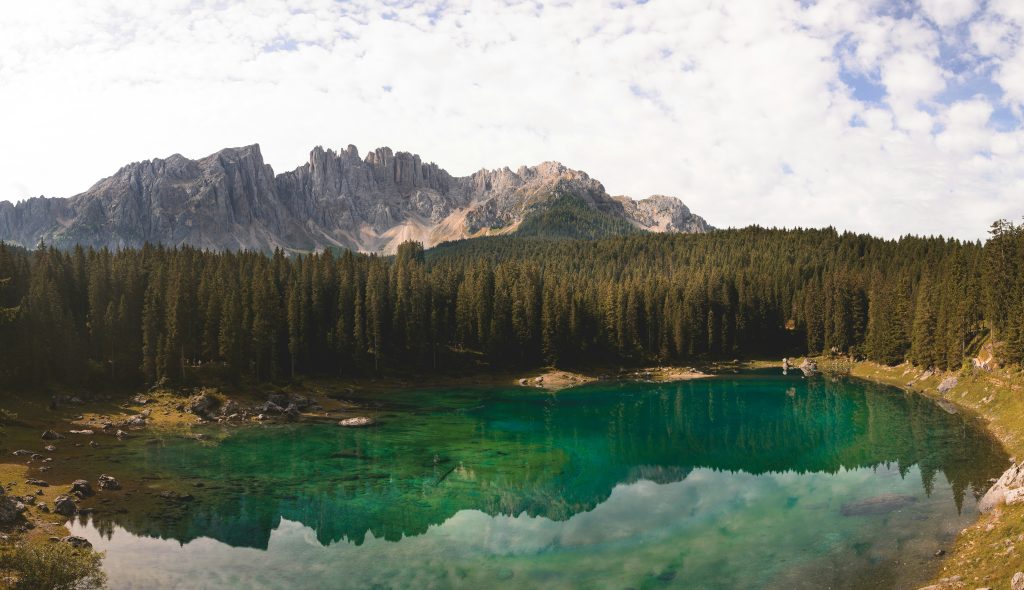
The Carezza side works because it is closer to Val di Fassa than Lago di Braies and can be scaled up or down. The lake itself is a short stop, not a full-day anchor. Pair it with one nearby lift or easy walk only after checking current access, parking, and trail information.
The strongest family rule is simple: choose either a relaxed lake-and-lunch day or a more active Catinaccio outing. Do not stack the lake, several lifts, and a long walk to make the day feel substantial.
Carezza is also a useful lower-effort choice after a poor night of sleep. If the weather closes in, return to the valley. There is no distant reservation forcing the family to continue.
Days 6 and 7: One High Point and One Choice
Day 6: Passo Pordoi and the Canazei Side
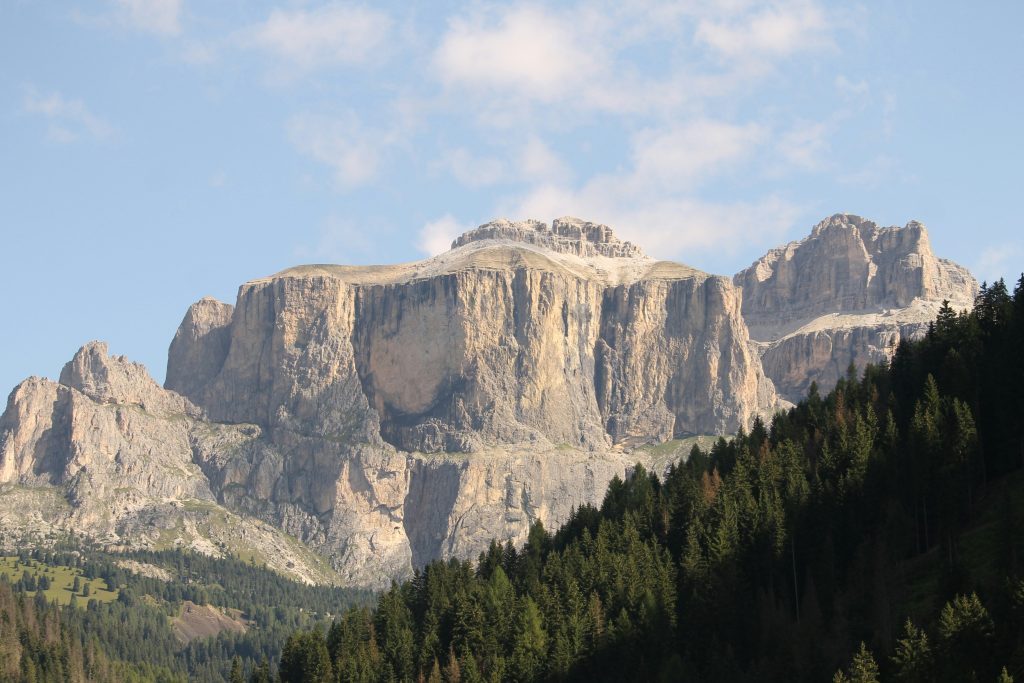
Passo Pordoi gives the week a high-altitude finish without moving the hotel. The drive contains mountain-road bends, so families prone to motion sickness should leave extra time and avoid scheduling a large breakfast immediately before departure.
The Sass Pordoi cable car can provide a summit experience with little walking, but altitude, wind, cold, queues, and the exposed upper area make it a conditional choice rather than a promise. Check the official operating status and mountain forecast that morning. Warm layers and sun protection belong in the day bag even when the valley is hot.
If the lift is closed or a child is uncomfortable, remain at the pass for a short stop and return toward Canazei. Families wanting more activity can use a lower lift area nearer the valley, provided final descent times still work.
Day 7: Seceda or a Local Repeat
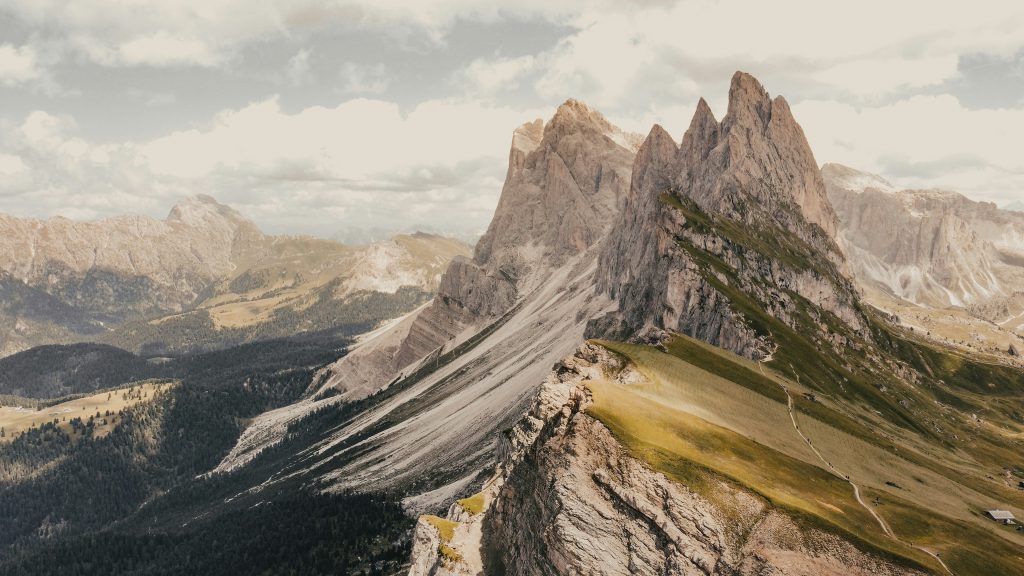
Seceda is the only long out-of-valley day retained in this itinerary. It belongs on the clearest forecast day, not automatically on Day 7. Driving time varies substantially by the starting village, mountain traffic, and route, so check live navigation before committing.
The lift chain from Ortisei reaches high terrain quickly, but the ground near the ridge is uneven and exposed. A carrier is safer than assuming a stroller will work. Keep the family near the main viewpoints unless everyone is comfortable with a longer signed route, and verify the last descent time when arriving.
Seceda is not covered by the main Dolomiti Supersummer pass route from Ortisei, so budget for separate tickets. If the forecast is weak, if the drive looks slow, or if the children are tired, repeat the local area they liked most. Buffaure, Ciampac, Ciampedie, or Alpe Lusia is the better decision than paying for a clouded ridge and spending hours in the car.
Family Logistics That Change the Plan
- Weather: Check the mountain forecast and live lift status each morning. Thunderstorms, wind, and lightning can stop lifts with little warning. Start early and keep the recovery day movable.
- Altitude: Schedule the first high day conservatively. Headache, nausea, or unusual fatigue means descending rather than pushing through.
- Walking: Published distance alone does not define difficulty. Surface, exposure, ascent, and the child’s confidence matter. Use signed trails and turn around before fatigue becomes a safety issue.
- Strollers and carriers: Confirm the exact lift and trail rules. A carrier handles uneven mountain ground more reliably, but adults must be comfortable carrying it.
- Food: Mountain huts are useful rest stops, but menus, opening days, and kitchen hours vary. Carry water and enough food to manage a closure or long queue.
- Driving: Val di Fassa is elongated, and summer traffic can slow short-looking routes. Avoid crossing the whole valley twice in one day.
- Mobility: Cable cars reduce climbing but do not guarantee step-free terrain at the top. Check operator accessibility information for each specific lift and destination.
- What to skip: Remove Seceda first if the week already has enough mountain views. Remove a summit lift when wind or cloud limits its value. Do not use Lago di Braies or Tre Cime as day trips from this one-base plan.
What Needs Advance Checking
The itinerary works without reserving every day, but several details can change by season.
- Confirm each lift’s operating dates, last descent, stroller or carrier rules, and weather status on the official Val di Fassa lift page.
- Compare the current Panorama Pass and Dolomiti Supersummer products only after choosing likely lift days.
- Buy Seceda tickets separately if the official Dolomiti Supersummer exclusion still applies.
- Check road conditions for Passo Pordoi and live navigation for the Seceda day.
- Confirm accommodation parking and any guest-card transport benefits.
- If the family adds Alpe di Siusi, note that the official access authority restricts uphill private traffic while the cableway operates and introduced advance parking reservations for summer 2026.
- If the family ignores the route advice and adds Lago di Braies or Tre Cime, use the official reservation systems. Both destinations have current managed-access rules, and Tre Cime parking now requires an online reservation.