Planning a Road Trip Through Italy From Rome to Milan

A road trip in Italy, from Rome to Milan, offers something most itineraries miss: the ability to experience completely different Italian landscapes without rushing between them. This corridor passes through ancient cities, coastal stretches, Tuscan hill towns, and alpine passes, all connected by manageable driving legs that let travelers settle into each region rather than constantly packing and unpacking.
This itinerary works for experienced travelers who want variety but resist the urge to see everything in ten days. It assumes comfort with European driving, access to roughly 25 nights, and a preference for depth over breadth. The route skips the Amalfi Coast, Sicily, and Puglia—not because they aren’t worth visiting, but because including them would sacrifice pacing and turn the trip into a logistical puzzle rather than an experience.
Most driving legs stay manageable, with longer transfer days balanced by multi-night stays. The route moves north, which keeps backtracking minimal and makes a one-way car rental practical. Travelers looking for a balanced mix of art, food, nature, and quiet mornings will find this structure easier to sustain than the typical sprint through Italy’s greatest hits.
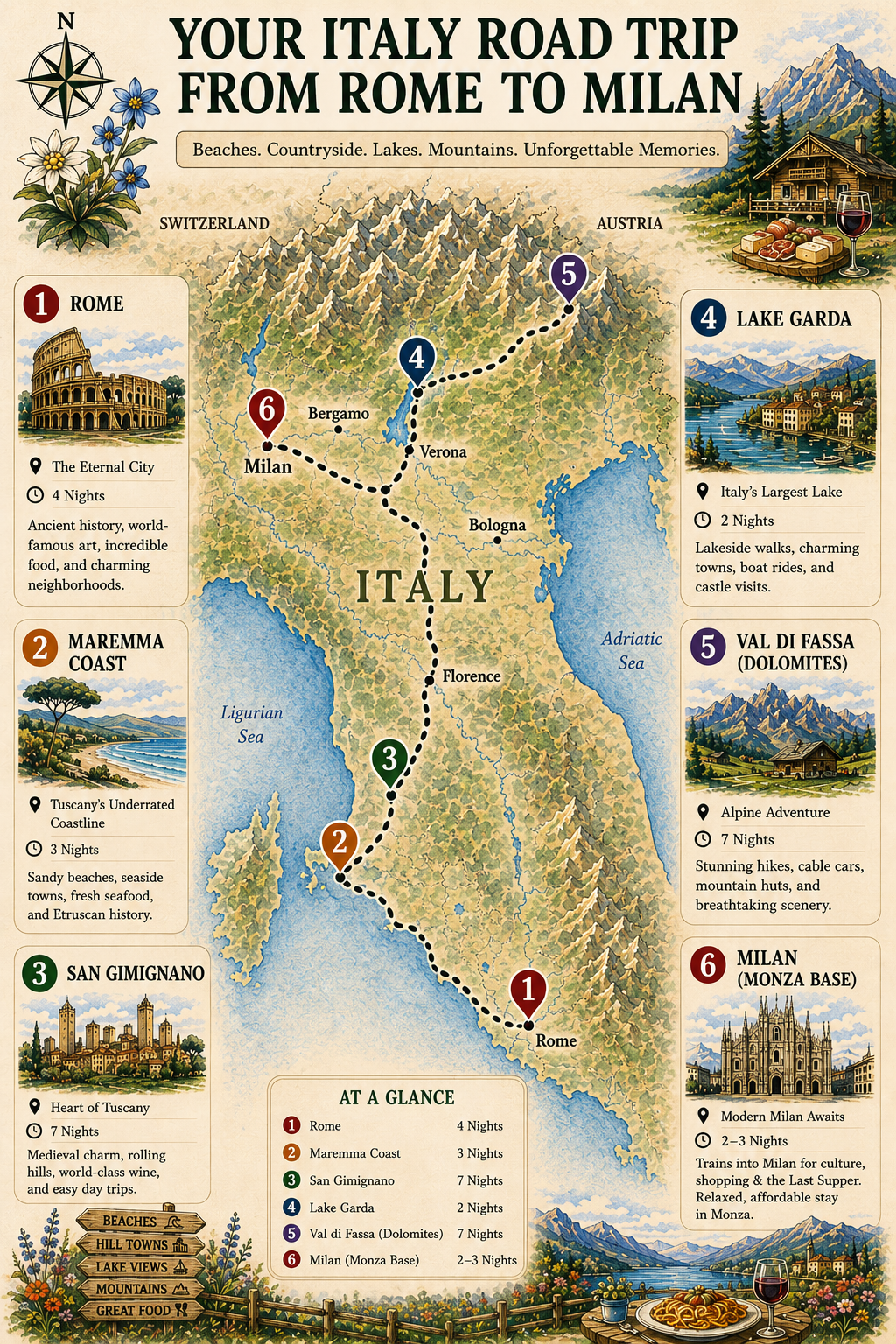
The Full Route at a Glance
| Stop | Nights | Highlights | Drive to Next Stop |
|---|---|---|---|
| Rome (Trastevere) | 4 | Colosseum, Vatican, Trastevere, food tours, neighborhood exploration | 2.5 hours |
| Punta Ala / Maremma Coast | 3 | Beaches, Castiglione della Pescaia, coastal restaurants, Etruscan sites | 1.5 hours |
| San Gimignano & Tuscany | 7 | Siena, Volterra, Chianti, Val d’Orcia, agriturismo stays | 3.5–4 hours |
| Lake Garda | 2 | Sirmione, lake ferries, castle visits, waterfront walks | 2.5–3 hours |
| Val di Fassa (Dolomites) | 7 | Alpe di Siusi, Sella Ronda, Lago di Carezza, cable cars, mountain huts | 4–4.5 hours |
| Milan Region (Monza Base) | 2–3 | Duomo, Brera, Last Supper, day trips into Milan by train | Departure |
| Total | 25–26 Nights | Beach, countryside, lakes, mountains, and cities in one trip |
Best for travelers with 3–4 weeks, comfort driving in Italy, and a preference for longer stays over daily hotel changes. Not ideal for travelers trying to see Venice, Amalfi, Puglia, and Sicily in one trip.
The itinerary follows this sequence: Rome → Punta Ala → San Gimignano → Lake Garda → Val di Fassa → Milan.
Driving times break down as follows: Rome to Punta Ala takes roughly 2.5 hours, Punta Ala to San Gimignano around 1.5 hours, San Gimignano to Lake Garda (Sirmione area) approximately 3.5-4 hours, Lake Garda to Val di Fassa about 2.5-3 hours, and Val di Fassa to Milan roughly 4-4.5 hours. These estimates assume highway driving without extended stops.
The full trip is built around 25 nights: 4 in Rome, 3 near Punta Ala, 7 in the San Gimignano area, 2 at Lake Garda, 7 in Val di Fassa, and 2–3 in the Milan region. The northward progression eliminates backtracking and aligns naturally with a one-way rental from Rome to the Milan area.
This structure prioritizes multi-night bases over constant movement, which means travelers can explore day-trip destinations without the fatigue of daily hotel changes.
Starting in Rome: Trastevere as a Base
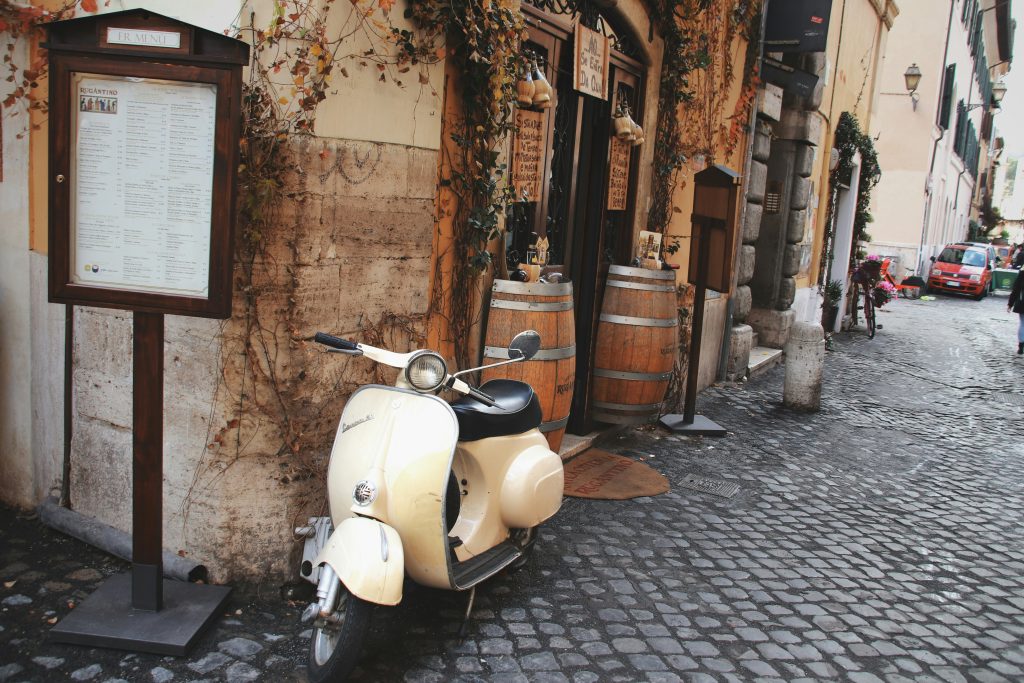
Staying in Trastevere for four nights gives travelers a neighborhood base with walkability, restaurant density, and proximity to major sites without the concentrated tourist pressure of the centro storico. The area feels residential enough to support daily routines—morning coffee, evening walks, dinners that aren’t booked weeks in advance—while remaining central to Rome’s key areas.
Travelers fly into Rome and do not need a car during this portion. After the Rome stay, the rental car is picked up and driven directly out of the city. Driving inside Rome is not advisable due to ZTL (Zona a Traffico Limitato) zones, which are restricted traffic areas that trigger automatic fines for unauthorized entry. Most rental agencies near Termini or Fiumicino have straightforward pickup processes that allow travelers to collect the car and head toward the coast without navigating urban traffic.
For travelers who prioritize pacing over box-checking, Rome offers opportunities that reward slower exploration: early morning Vatican access before crowds arrive, quieter neighborhoods like Testaccio for food markets and authentic trattorias, and evening walks across the Aventine Hill for sunset views over the city. Rome functions as the trip’s cultural anchor before the itinerary shifts toward landscape-driven days.
To make navigating Rome easier, especially during the first days of the trip, I’ve put together an interactive map that highlights places worth knowing about rather than trying to mark everything. It includes accommodations, cafés, restaurants, cultural sites, public toilets, parks, and key public transportation connections. It’s designed to support slower, neighborhood-based exploration and help travelers orient themselves quickly without constantly switching between apps.
The Tuscan Coast: 3 Nights Near Punta Ala
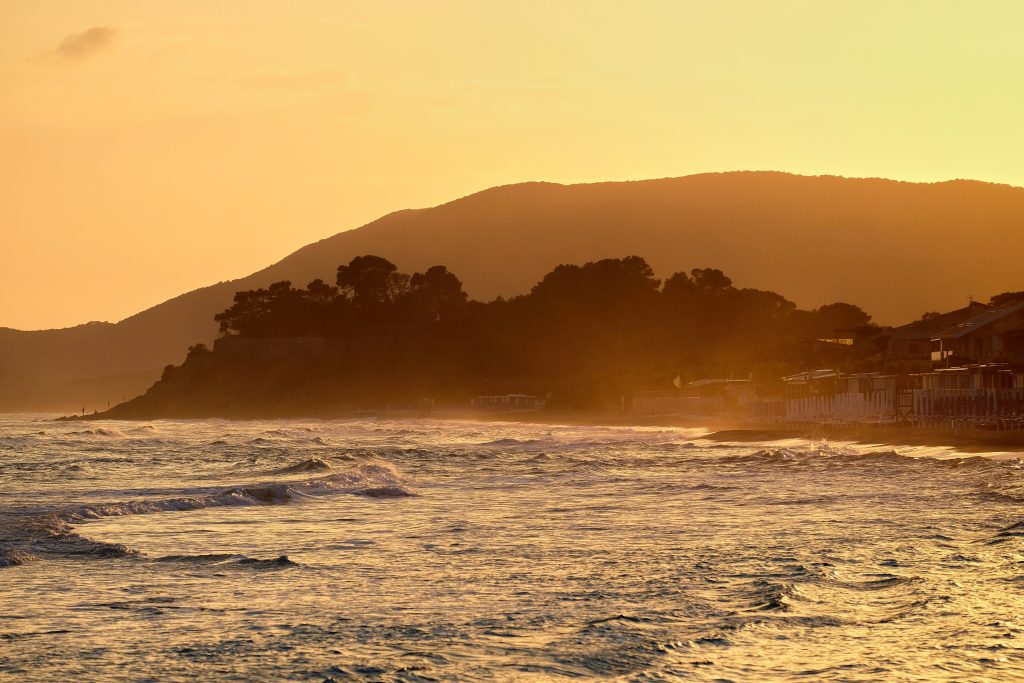
The Maremma coast—specifically the area around Punta Ala and Castiglione della Pescaia—makes a strategic first driving stop. It breaks the Rome-to-Tuscany drive into a manageable and scenic leg, and it offers a different coastal character than most travelers expect from Italy.
This stretch is less developed than Cinque Terre. Pine forests back natural beaches, and the pace feels distinctly slower. Small towns along this coast have strong local restaurant scenes, and the region provides access to undervisited Etruscan archaeological sites for travelers interested in pre-Roman history.
Three nights here offer decompression after Rome, a chance to eat extremely well in smaller towns, and an introduction to Tuscany that doesn’t begin with Florence’s crowds. The coast works best from late May through September; outside that window, some beach clubs and seasonal restaurants close.
San Gimignano: The Right Tuscany Base for Day Trips

San Gimignano is usually encountered as a day trip from Florence, but using it as a seven-night base flips that logic. The town sits in the geographic center of a day-trip radius that includes Siena (30 minutes), Volterra (30 minutes), Florence (1 hour), Chianti wine country, and the Val d’Orcia, all reachable without long drives.
The “isn’t it too touristy?” question is fair. Midday in summer, San Gimignano fills with tour groups. But mornings and evenings reveal the town’s actual texture: quiet piazzas, local bakeries, and evening light that turns the medieval towers into dramatic silhouettes. Staying overnight means experiencing those hours instead of just photographing them.
Renting an agriturismo or apartment outside the walls offers better value, easier parking, and the experience of waking up in the Tuscan countryside rather than just driving through it. Many properties include pools, outdoor kitchens, and views that make rest days feel purposeful rather than wasted.
Lake Garda: A Relaxed Stop Between Tuscany and the Dolomites
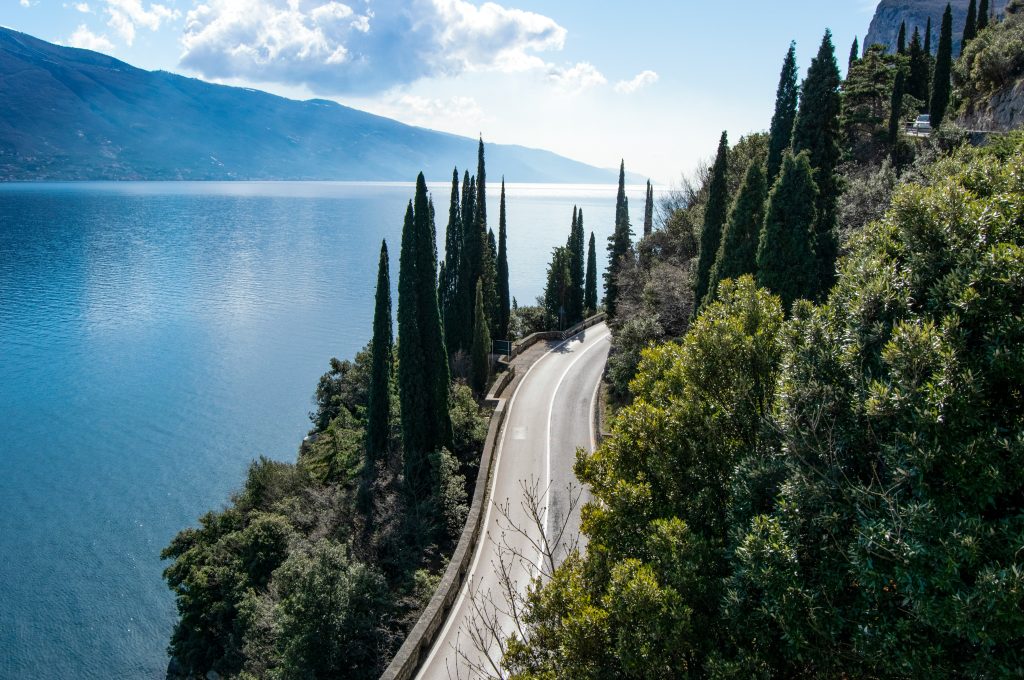
Two nights at Lake Garda provide a natural transition between Tuscany and the Dolomites. Rather than adding another major city, the lake introduces a different side of northern Italy: waterfront towns, mountain views, lakeside promenades, and a slower pace before heading into the Alps.
The southern end of the lake works particularly well for road trippers because it breaks up the drive from Tuscany without requiring a major detour. Towns such as Sirmione, Peschiera del Garda, and Desenzano del Garda offer easy access, good restaurant options, and walkable historic centers. Sirmione is especially worthwhile for its medieval castle, lakeside setting, and evening atmosphere after day visitors leave.
Unlike Venice, where parking and logistics become part of the experience, Lake Garda is straightforward. Most accommodations include parking, driving is simple, and travelers can spend their time exploring rather than navigating transportation connections. A lakeside walk, a ferry ride between towns, or an afternoon swim often becomes the highlight of this short stop.
Lake Garda also serves as a practical gateway to the mountains. After a week in Tuscany’s rolling hills, the first views of the Alps begin to appear around the northern end of the lake, creating a gradual transition into the Dolomites rather than an abrupt shift. For travelers with limited time, two nights here provide enough time to recharge before the hiking-focused portion of the trip begins.
Val di Fassa: A Family-Friendly Base in the Dolomites
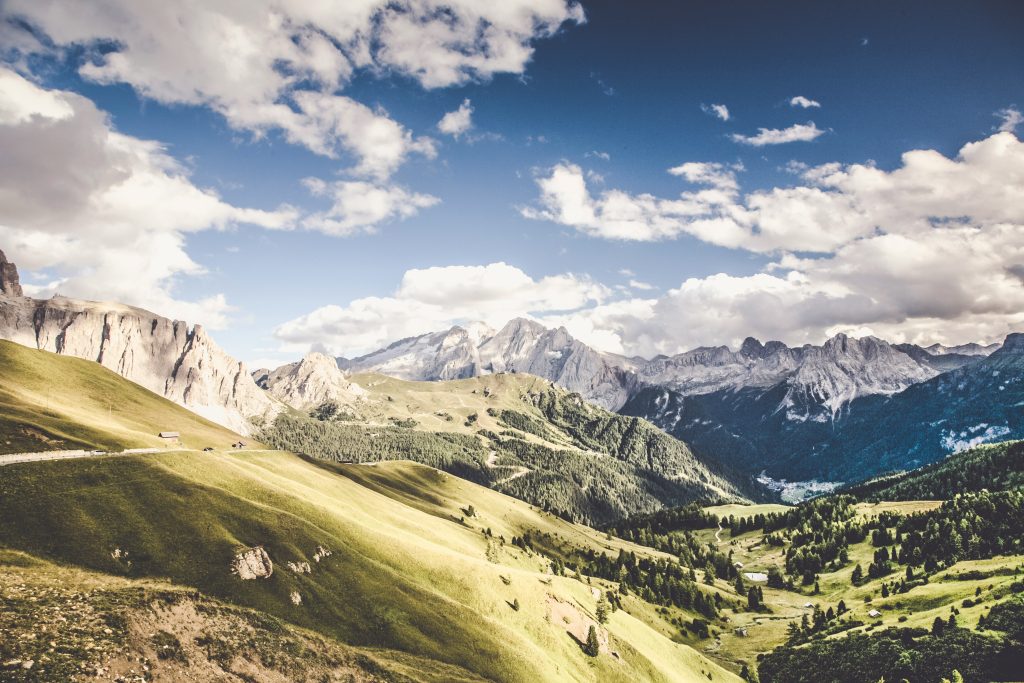
For travelers planning to spend a full week in the Dolomites, Val di Fassa offers one of the most practical and rewarding bases in the region. Located in the heart of the mountains, the valley provides access to some of the Dolomites’ most famous scenery while avoiding some of the congestion and higher prices often associated with Cortina d’Ampezzo.
The valley’s towns, including Canazei, Campitello di Fassa, and Pozza di Fassa, combine mountain infrastructure with a relaxed atmosphere. Visitors will find restaurants, grocery stores, playgrounds, cable cars, and family-friendly accommodations that make longer stays easy. The location also places travelers near several of the Dolomites’ most famous mountain passes, including Passo Pordoi, Passo Sella, and Passo Gardena.
One of the biggest advantages of staying in Val di Fassa is the variety of day trips available within a short drive. Families can take the cable car from Canazei to Belvedere, explore the meadows and panoramic views around Alpe di Siusi, walk around Lago di Carezza, or drive the scenic Sella Ronda route. More ambitious hikers can access trails leading to mountain huts, alpine lakes, and dramatic viewpoints throughout the region.
A week in the Dolomites passes surprisingly quickly. Alternating between easy walks, cable-car excursions, mountain refuges, and scenic drives creates enough variety that travelers rarely feel the need to move hotels. After the cultural and culinary focus of Rome and Tuscany, Val di Fassa adds a completely different dimension to the trip: fresh mountain air, outdoor adventure, and some of the most memorable landscapes in Europe.
The Milan Region: A Practical Final Stop
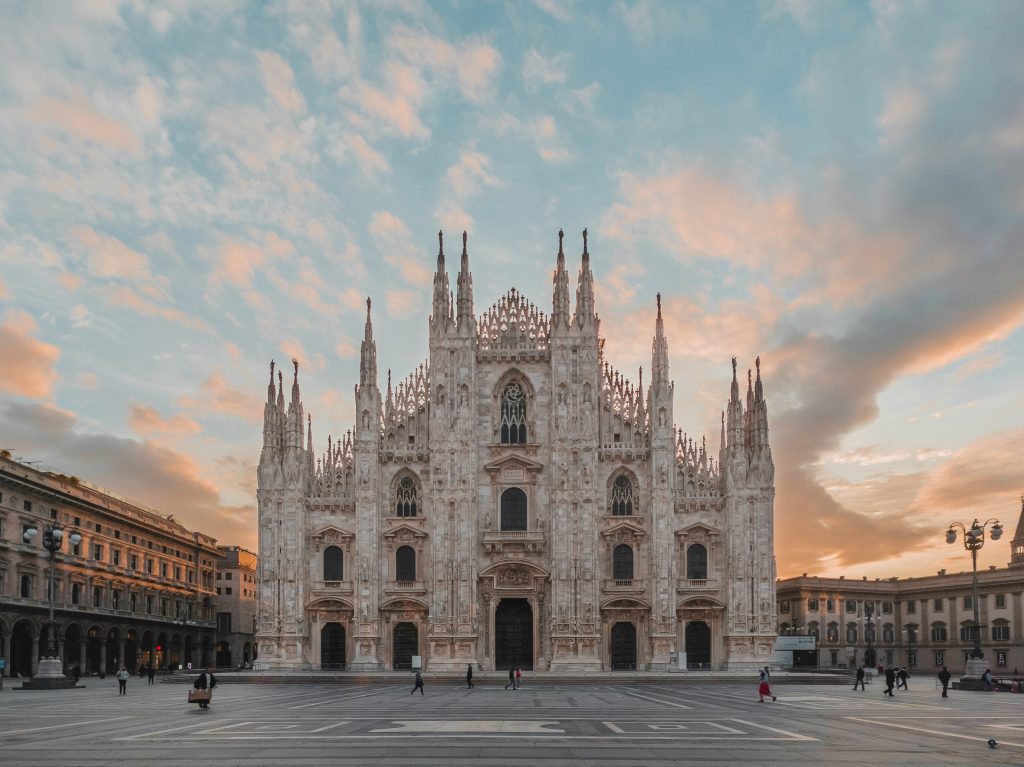
Milan is a logical endpoint with major airport access, but it’s not a destination most travelers would linger in for a week. This is where many travelers fly home, making it a convenient final stop before an international departure. Two to three nights allow enough time to experience the city’s highlights without rushing through them.
Focus on the Duomo rooftop—not just the interior—which offers close-up views of the cathedral’s Gothic spires and a perspective on Milan’s skyline. The Brera district provides galleries, independent shops, and aperitivo culture that feels more grounded than the fashion-district scene.
One attraction that deserves advance planning is Leonardo da Vinci’s Last Supper (Cenacolo Vinciano). Visitor numbers are tightly controlled, and tickets frequently sell out weeks or even months in advance during peak travel periods. Travelers interested in seeing the painting should make reservations as early as possible rather than assuming tickets will be available upon arrival.
Travelers do not necessarily need to stay in central Milan. For those finishing a longer road trip, nearby cities such as Monza often provide significantly better hotel value while still offering easy rail connections into Milan. Staying outside the city center can simplify parking, reduce accommodation costs, and provide a quieter base for the final days of the trip.
Monza is particularly convenient because frequent trains connect the city with Milan’s central districts in roughly 15–20 minutes. This makes it easy to spend a full day exploring Milan’s major sights before returning to a more relaxed and affordable hotel in the evening. For many travelers, this approach delivers the best of both worlds: access to Milan without paying Milan hotel prices.
Dropping off a rental car before settling into the final stop is often the simplest strategy. Once the driving portion of the trip is complete, travelers can rely on trains to reach Milan while avoiding city traffic and parking challenges. Milan’s modern energy provides a clean contrast to the rural landscapes, medieval towns, lakeside villages, and mountain scenery that came before, giving the trip a natural conclusion rather than an abrupt ending.
Practical Notes: Car Rental, Tolls, and Driving Rhythm
One-way rental fees from Rome to Milan typically add €100–200 to the total cost, but they’re worth budgeting for on a route like this. Returning the car to Rome would require either backtracking or sacrificing the northern portion entirely.
Autostrada tolls, fuel costs, and ZTL zones are the three practical realities that surprise first-time drivers in Italy. Tolls are collected at exits; use cash lanes unless the rental includes a Telepass transponder. Fuel is more expensive than in the US, and diesel is common for rentals. ZTL zones exist in most historic city centers and are enforced by camera—enter one by mistake, and a ticket arrives weeks later.
Driving rhythm matters more than total mileage. Keep most legs under 2.5 hours, leave mornings for driving, and avoid Friday afternoon departures from cities when commuter traffic peaks. A smaller car makes hill towns and mountain passes easier to navigate, and full insurance coverage is worth the extra cost for peace of mind on narrow roads.
Making This Italy Road Trip Itinerary Your Own
This is a framework, not a prescription. Some travelers will want to add a night in Bologna, swap Venice for Verona, or skip the coast entirely in favor of more time in the mountains. The route works because it balances driving time, variety, and rest—but those proportions can shift based on individual preferences.
The core principle remains consistent: a good road trip separates itself from an exhausting one through pacing. Multi-night bases, manageable driving distances, and the flexibility to adjust plans when weather or energy levels demand it make the difference between a trip that feels rewarding and one that feels like a checklist.
This kind of north-south Italian route also pairs well with extensions into the Swiss Alps, the French Riviera, or Slovenia for travelers building a longer European trip. The Milan endpoint creates natural connections to other regions without forcing long drives or backtracking.